Higher Education

Coaching in Higher Education

Developing the quality of the conversations through which people learn, lead and develop.

Oliver delivering a coaching skills workshop for higher education professionals

Building a stronger coaching culture in higher education

Some of the most important work in higher education happens through conversation: between supervisor and researcher, educator and student, leader and colleague.

Yet the people responsible for those conversations are rarely given much training in how to listen, ask useful questions, create space for thinking, challenge constructively or support another person without immediately taking over their thinking.

My work is about bringing a more coaching-informed approach to those conversations — helping create higher education cultures in which people are listened to, challenged, supported and given greater ownership of their development.

I believe coaching skills have an important role to play in the future of higher education — not by turning universities into coaching organisations, but by improving the quality of the conversations through which people learn, supervise, lead and develop.

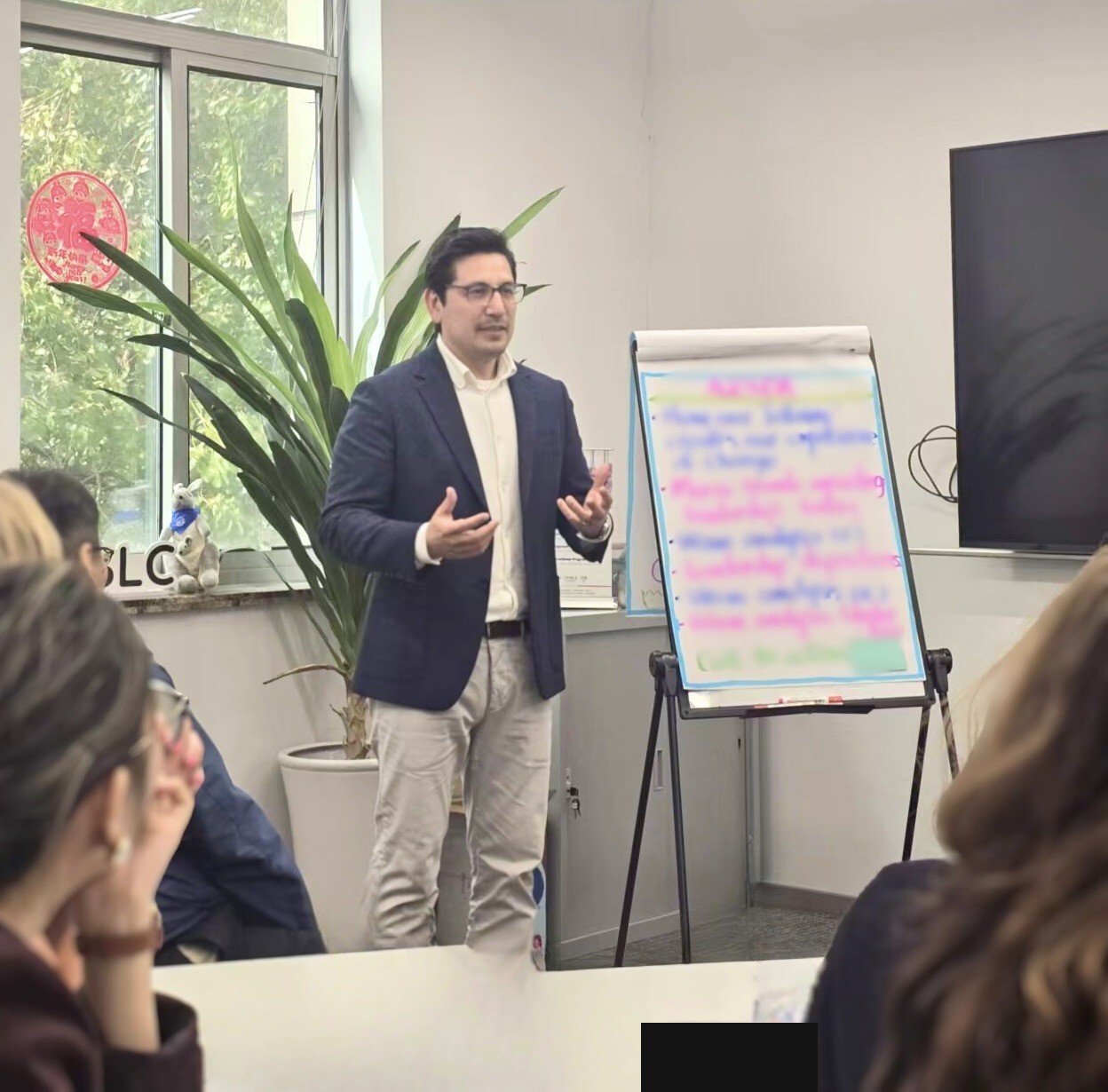
Oliver teaching a coaching skills session beside a flip chart
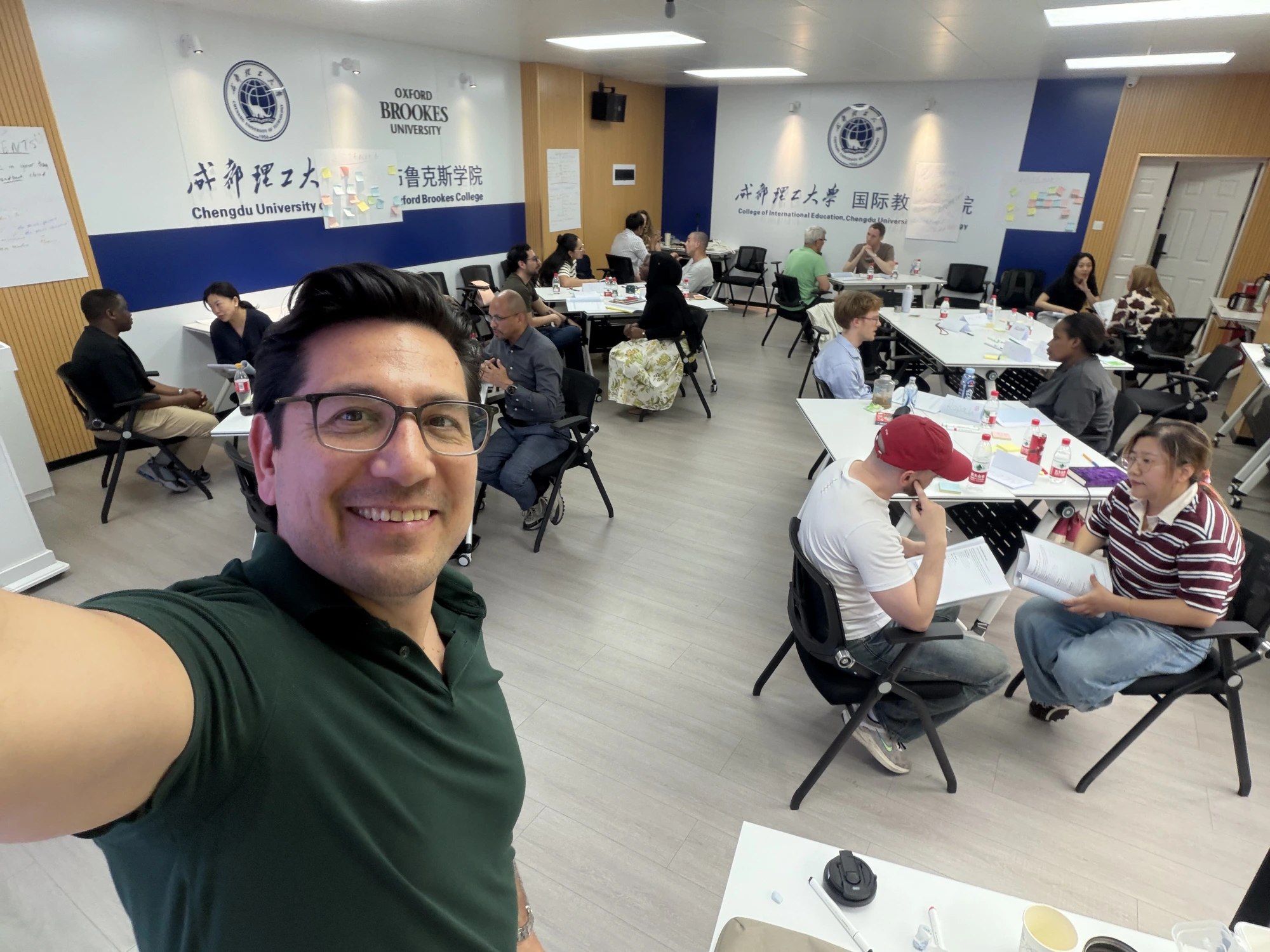
A wide view of a workshop room during a facilitated session
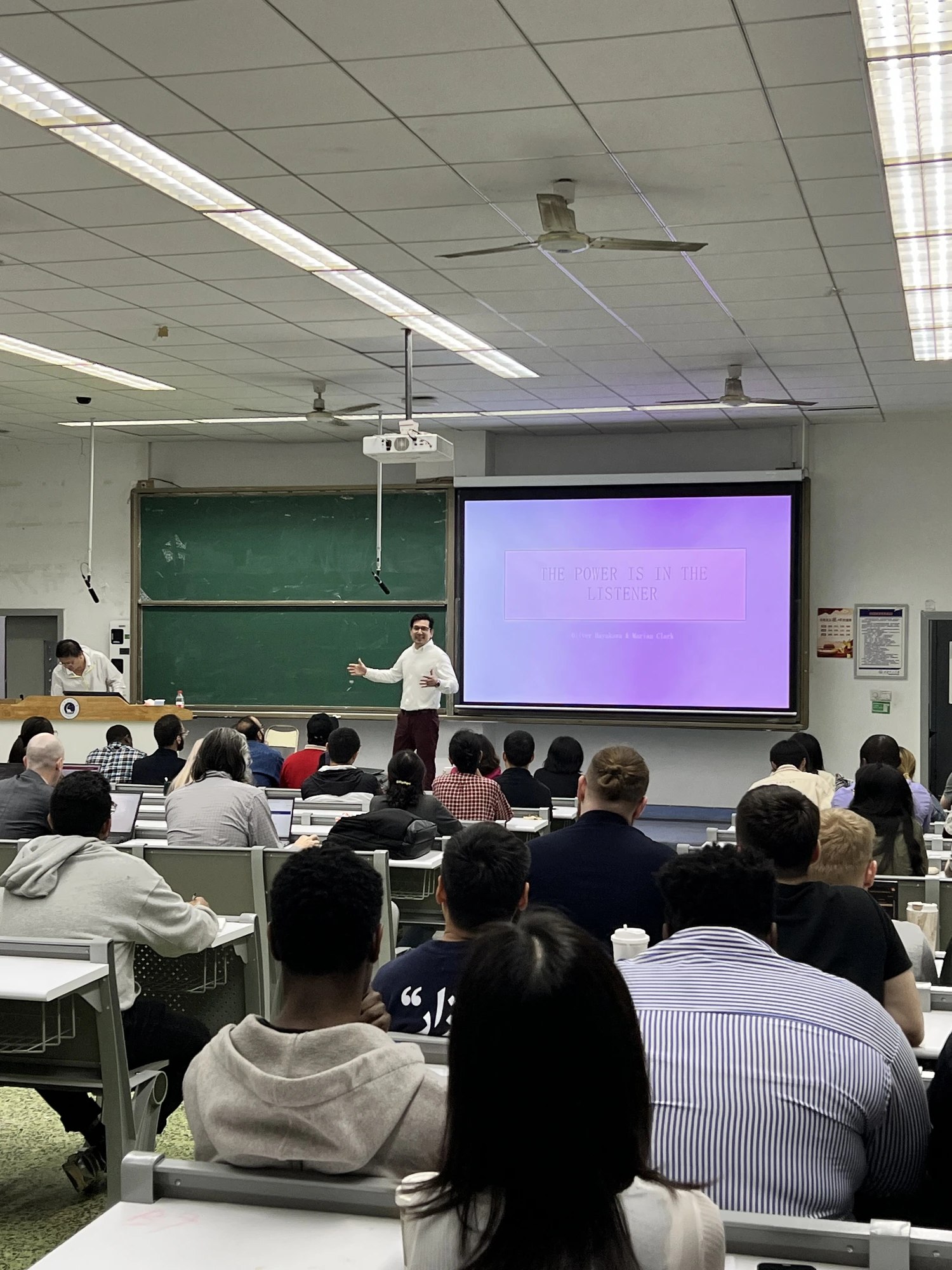
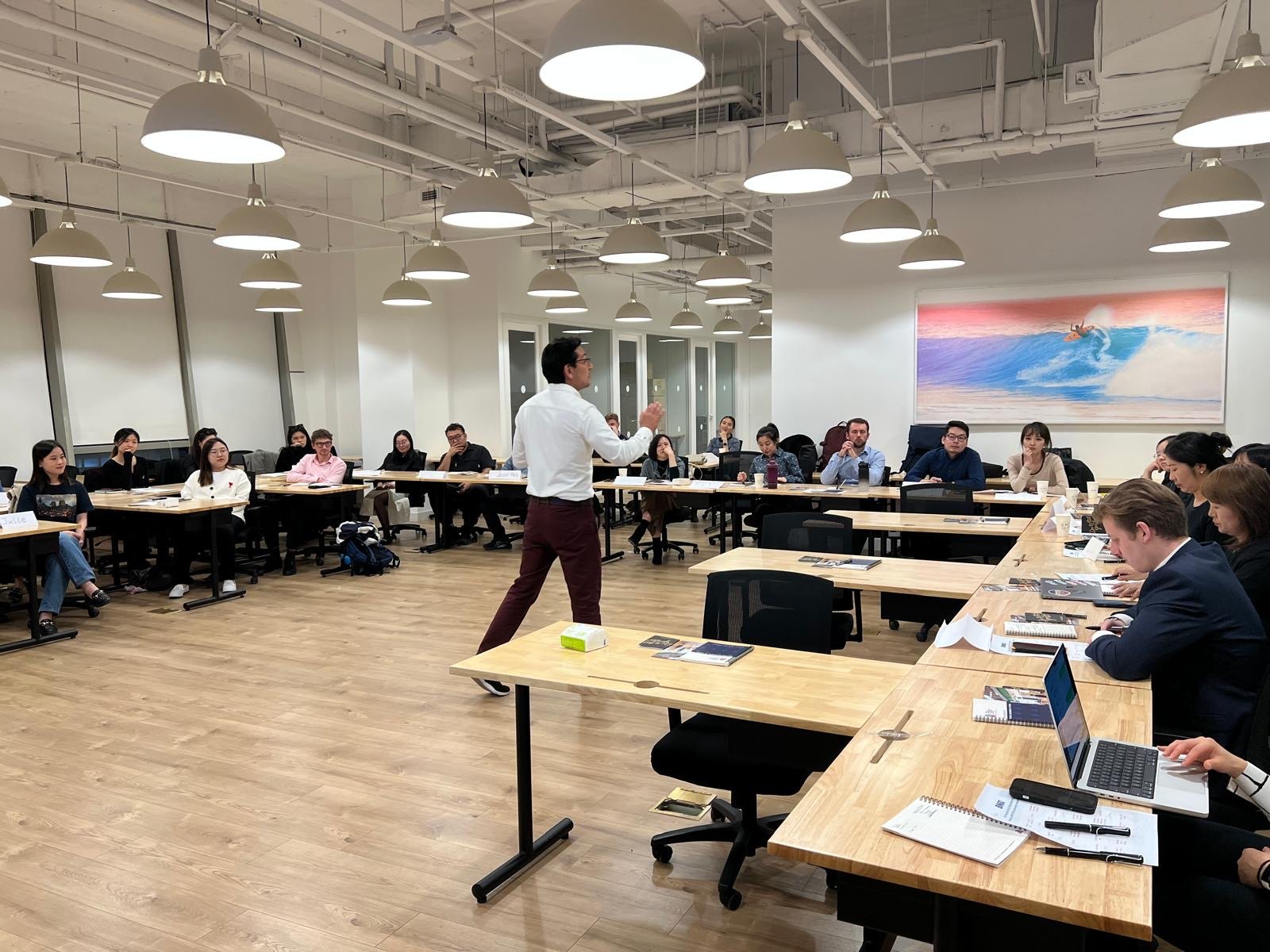
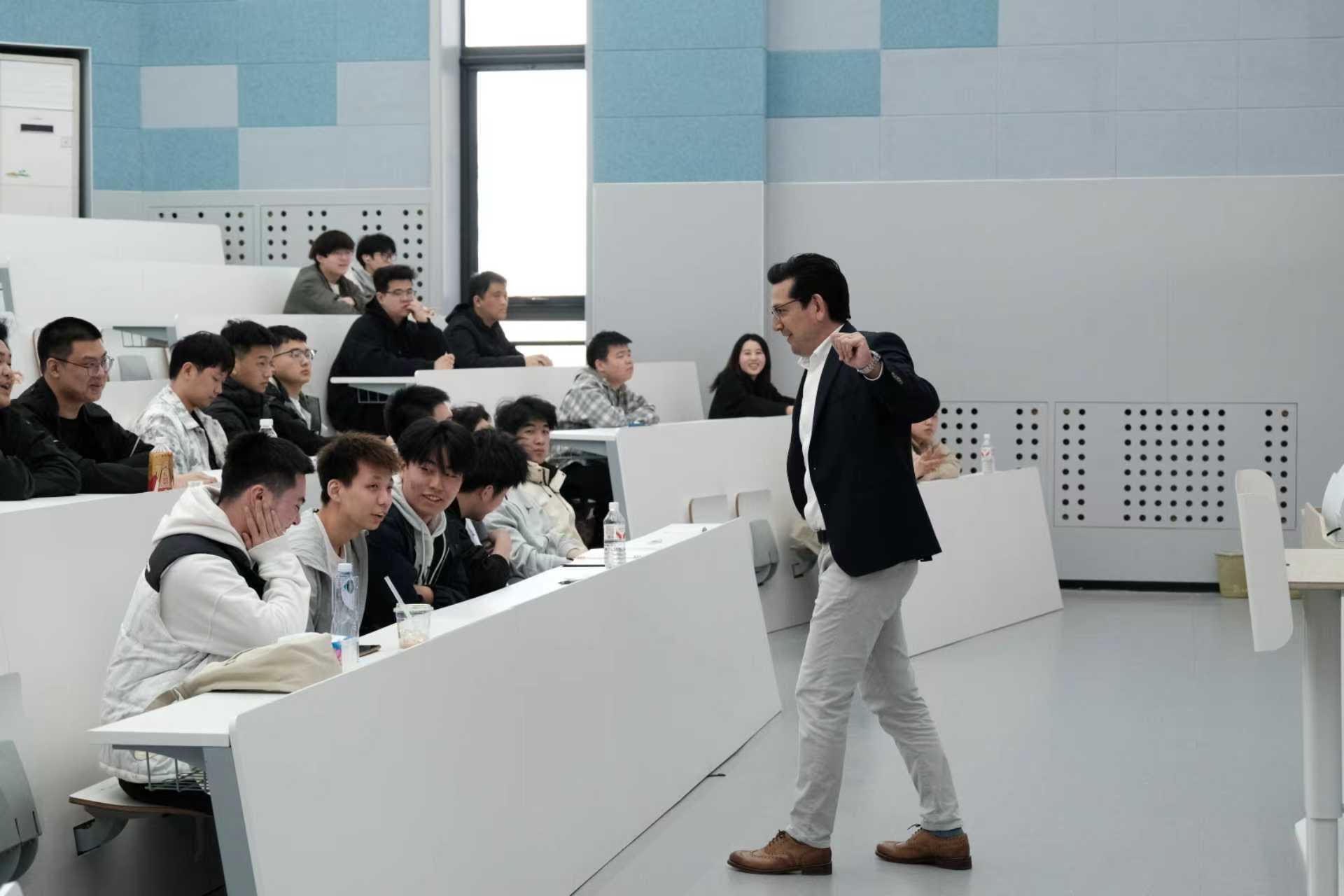
Oliver teaching in a university lecture theatre

My approach

Coaching-informed practice, not coaching everything

I translate the principles and practices of coaching into the realities of academic and university life. The purpose is not to turn academics into professional coaches, or to suggest that coaching should replace teaching, supervision, mentoring, advice or academic judgement.

It is about expanding the range of ways we can work with another person: knowing when to listen, when to ask, when to challenge, when to advise and when to create enough space for somebody else to think.

Sometimes the right response is teaching, advice, challenge, direction, feedback or expertise. Sometimes the more useful response is listening, questioning, creating thinking space, surfacing assumptions or helping another person develop their own thinking. The skill lies partly in knowing which stance the situation requires.

Areas of work

01

Coaching Skills for Higher Education Professionals

Practical programmes developing listening, questioning, contracting, reflective practice and coaching-informed developmental conversations.

02

Coaching-Informed Academic Supervision

Helping supervisors create thinking space, work more intentionally with different supervisory stances, and balance challenge, support, advice and student ownership.

03

Leadership & Self-Leadership

Programmes exploring ownership, integrity, commitments, communication and the ways in which people lead themselves before attempting to lead others.

04

Workshops & Institutional Programmes

Bespoke sessions and developmental programmes designed around the needs of departments, universities and professional communities.

Featured programmes

Current programmes

My programmes are deliberately experiential. Participants don’t simply learn about coaching, leadership or communication; they practise, observe, reflect, test ideas in their own contexts and return to examine what happened. The aim is not simply to leave with more knowledge, but with a different capacity to listen, think and respond.

Programme 01

Introduction to Coaching Skills for Higher Education Professionals

Association for Coaching CPD hours scheme6.5Association for Coaching recognised CPD hoursCertificate provided on completion

One-day face-to-face workshop · 09:00–17:30

A practical introduction to the core skills and principles of coaching for people working across higher education.

The programme explores listening, questioning, creating thinking space, contracting and simple coaching structures — and, just as importantly, recognising when a coaching stance serves and when teaching, advice or direction is the better response. Practice, reflection and feedback run throughout.

For academic and professional-services staff who supervise, mentor, teach, support or lead — particularly those who want to strengthen student autonomy, thinking and ownership.

Designed for application within the realities of higher education rather than as generic coach training.
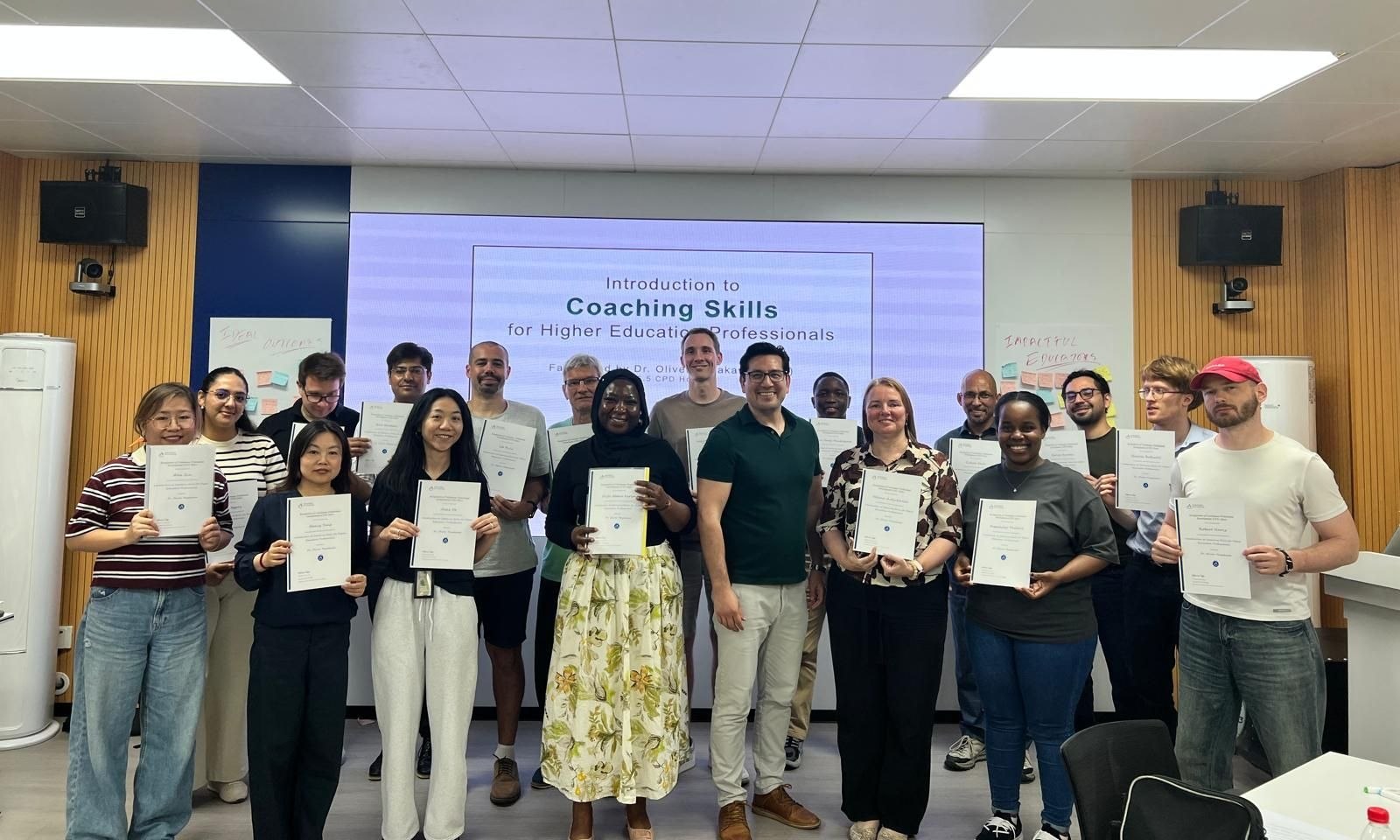
Participants of the Introduction to Coaching Skills for Higher Education Professionals programme with their certificates
Programme 02

Principles of Self-Leadership

Three-month online developmental programme

A developmental programme exploring the relationship between leadership, ownership and the way we respond to the circumstances of our lives and work. Its premise: how you lead others begins with how you lead yourself.

Through facilitated sessions and coaching, participants examine patterns of interpretation and behaviour, personal integrity, expectations and agreements, responsibility, competing commitments and the choices available to them.

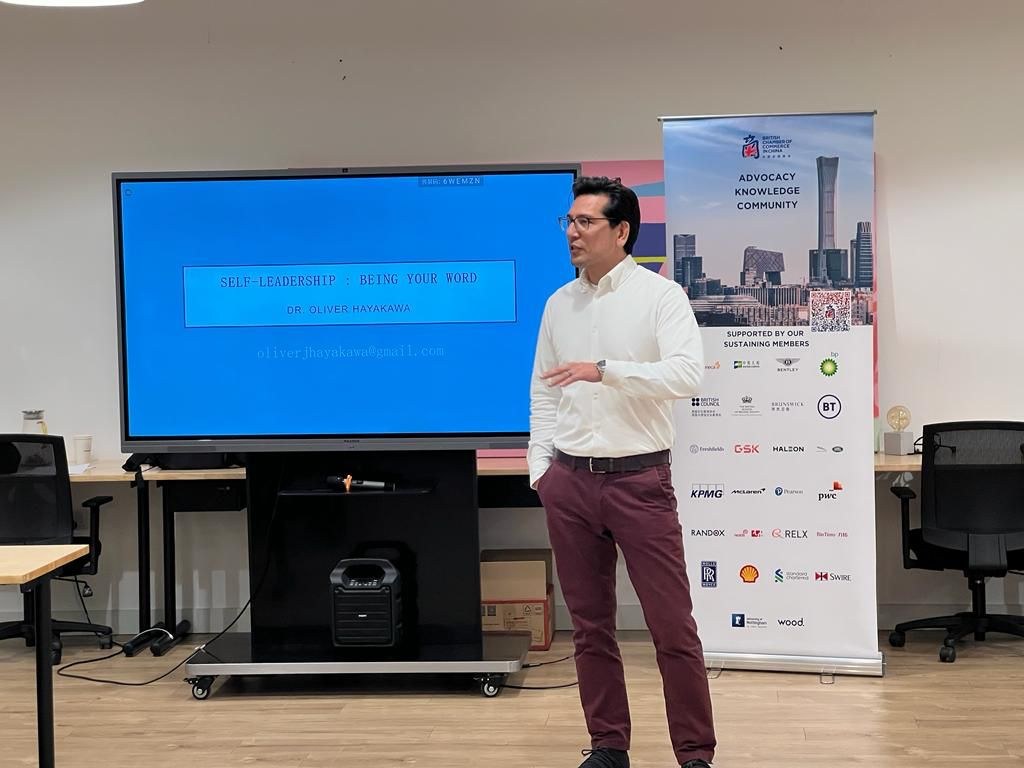
Oliver delivering a session on self-leadership
Programme 03

Coaching-Informed Academic Supervision

Workshops and practice-based development for academic and doctoral supervisors exploring how coaching skills can strengthen supervisory conversations while preserving appropriate academic challenge, expertise and direction.

Supervisors sometimes need to advise, teach, challenge or direct; at other moments the more useful response is to listen, ask, create space and help a student think. The programme helps participants become more deliberate about which stance a conversation requires.

Possible themes include:

  • what shapes what we hear
  • presence, silence and creating thinking space
  • choosing when to advise, challenge or support
  • clarifying outcomes
  • contracting conversations
  • building student ownership
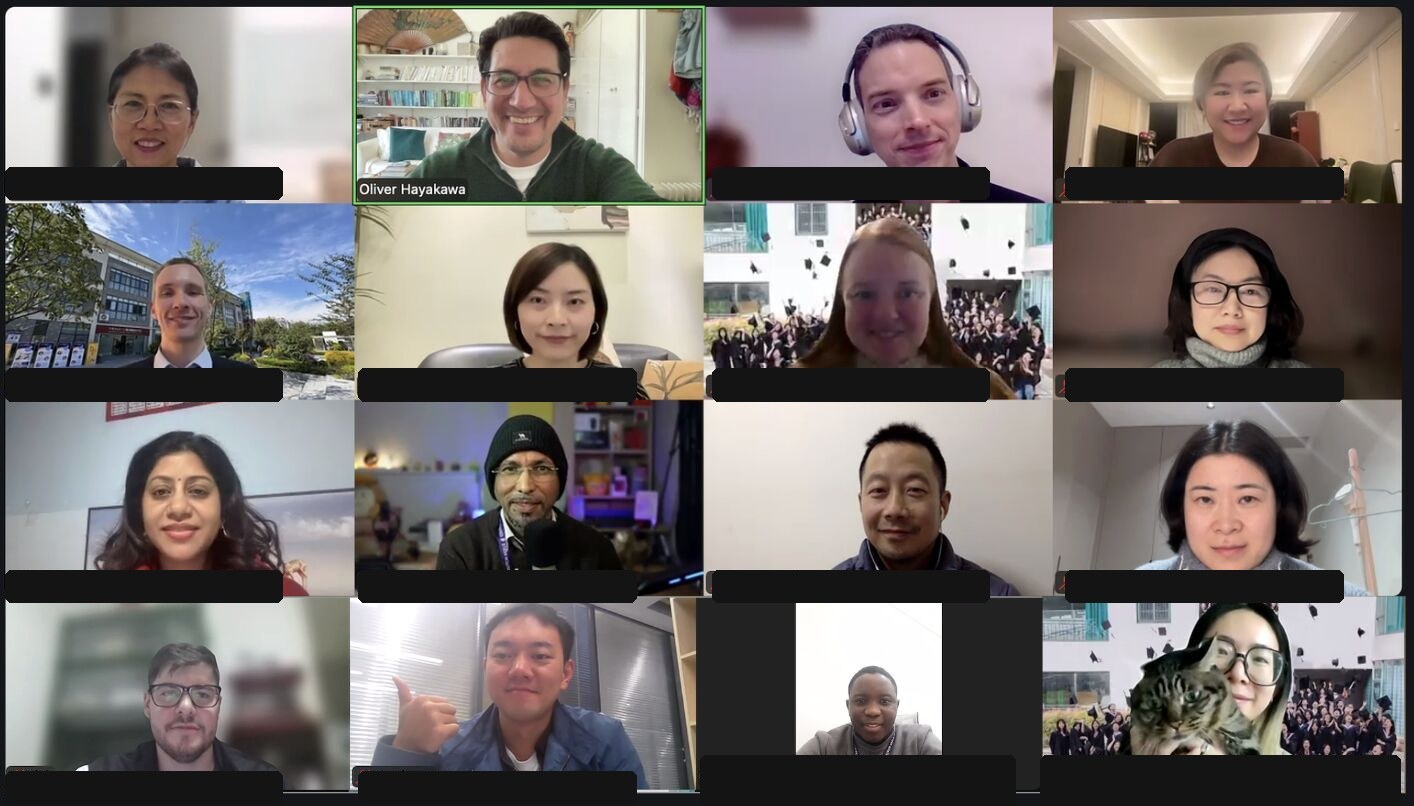
A Principles of Self-Leadership group webinar session

In the room

Programmes in practice

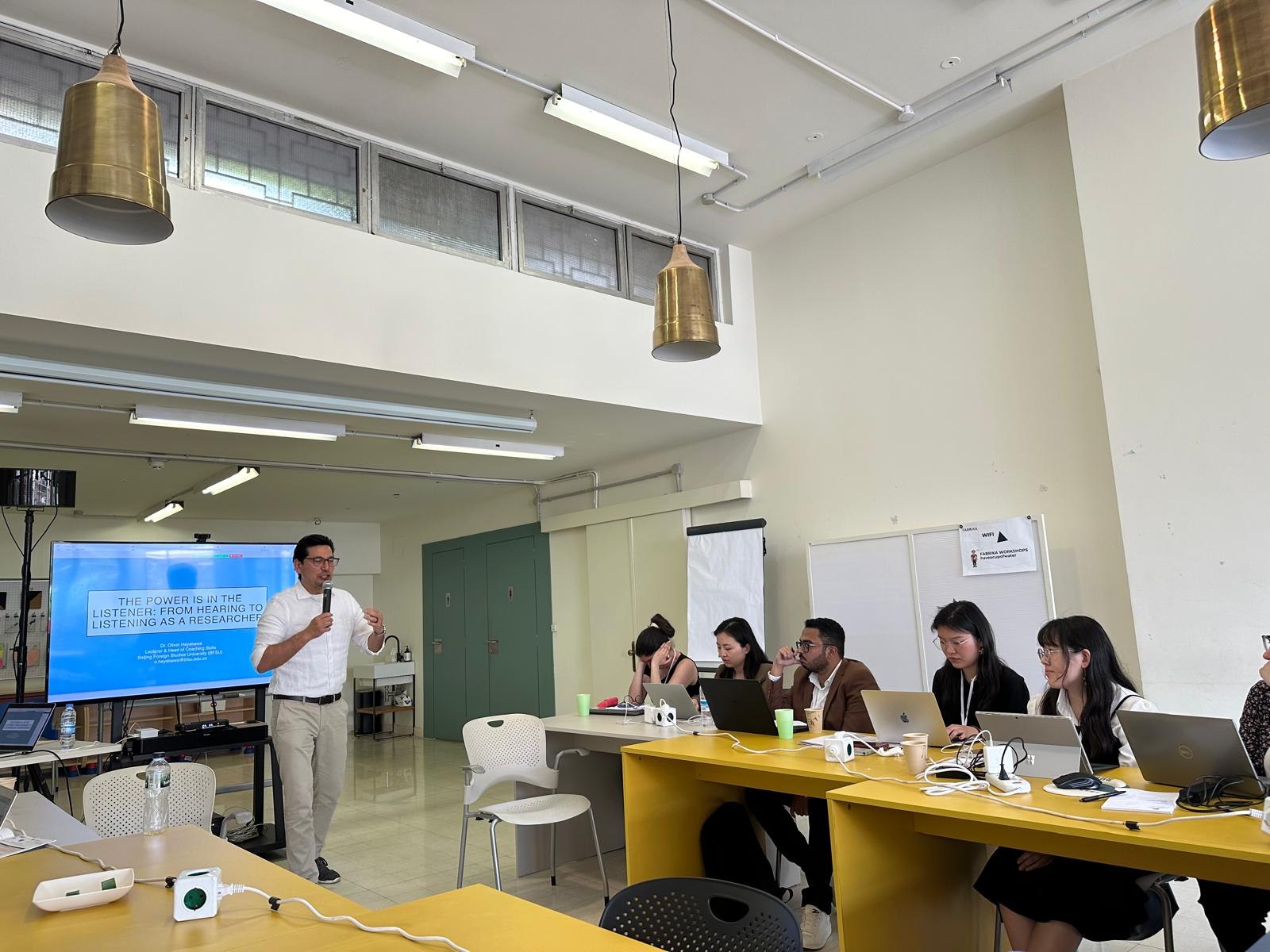
Oliver delivering a listening skills workshop for researchers
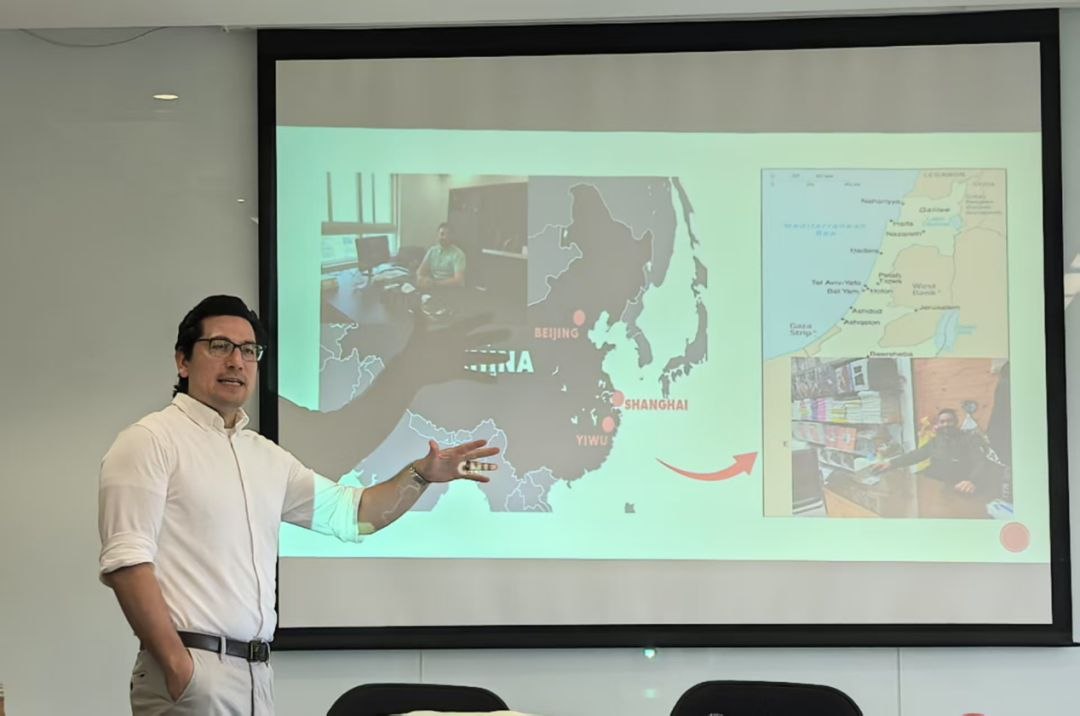
Oliver lecturing in front of a projected map of China
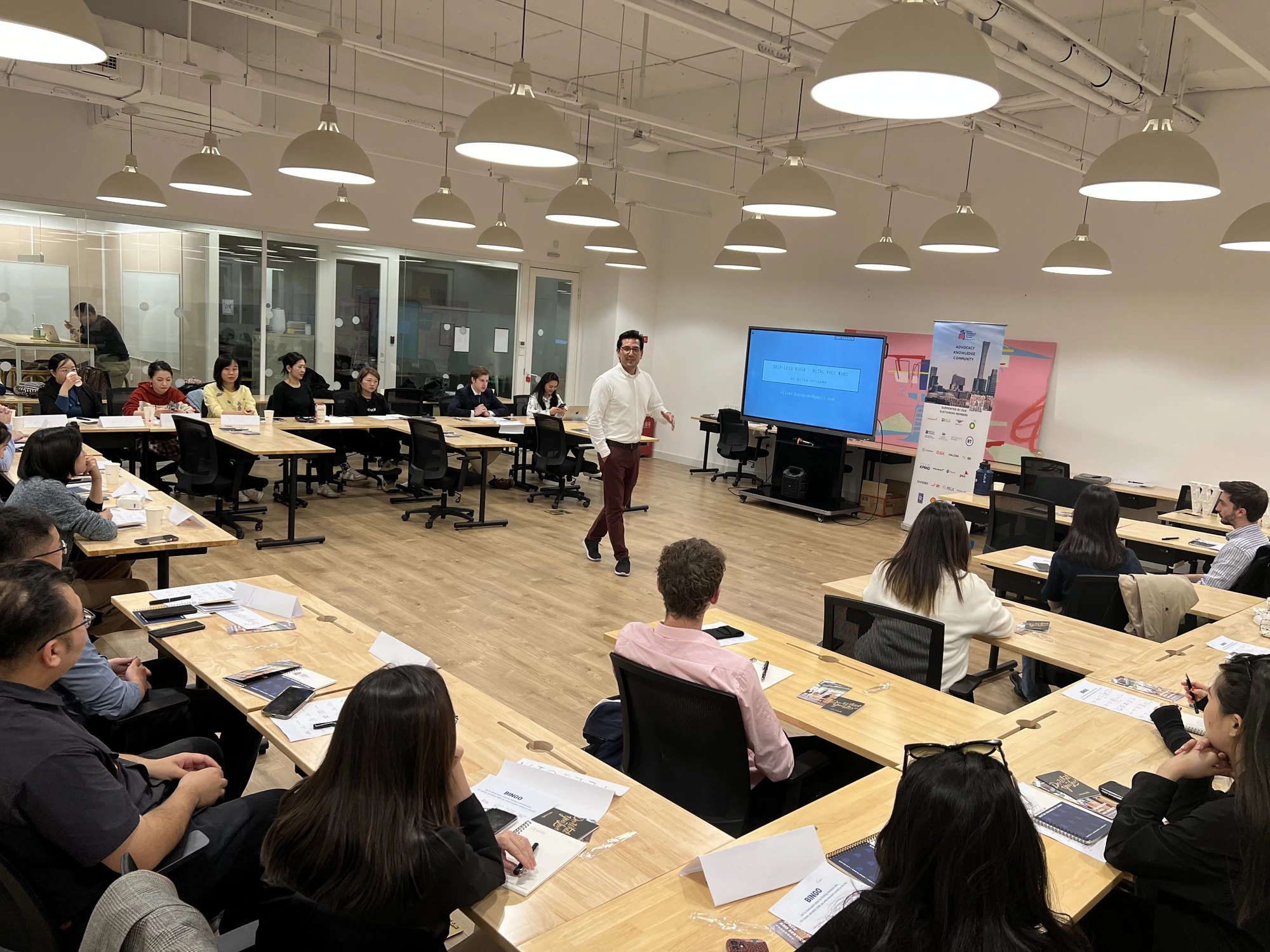
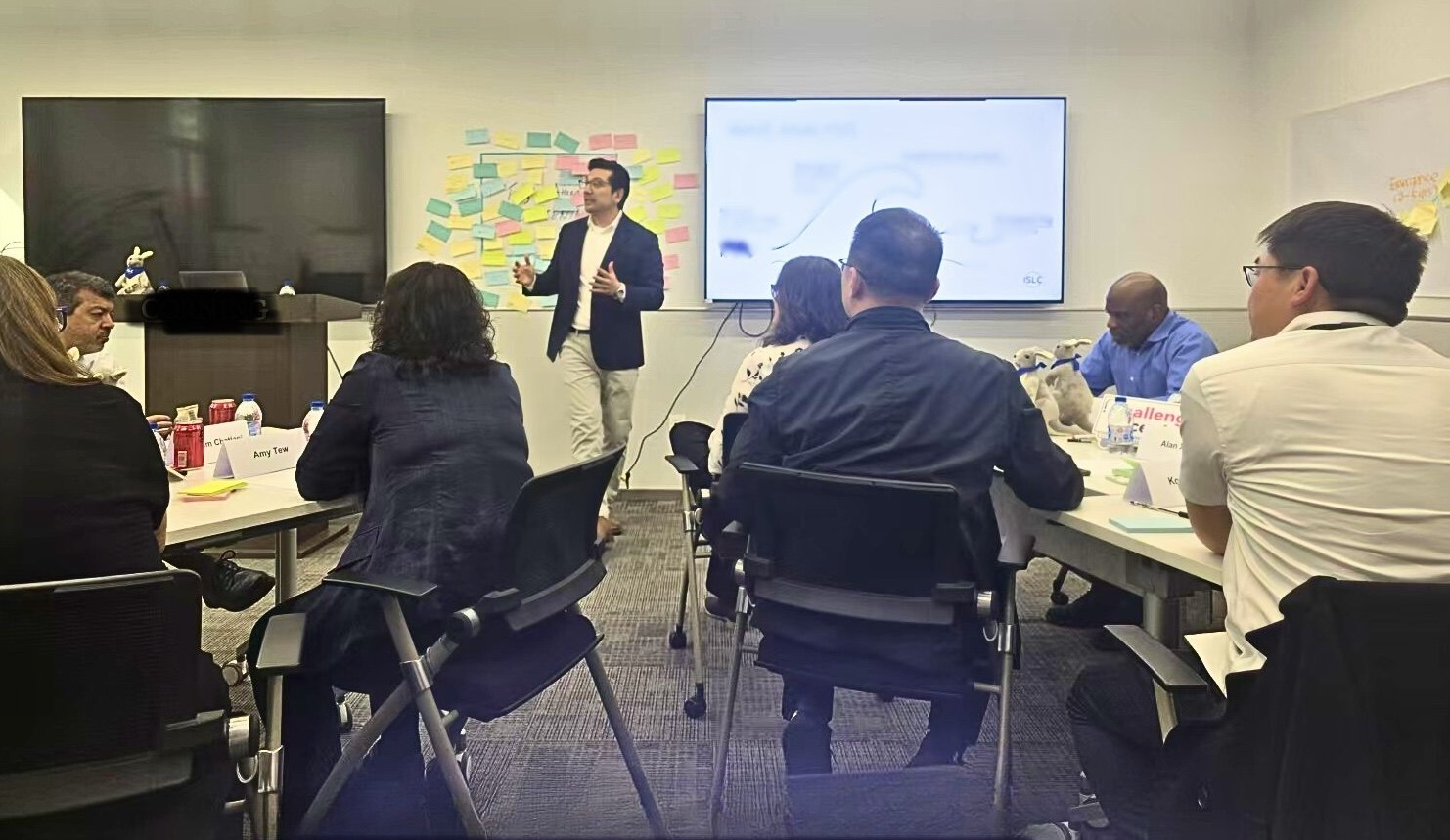
Oliver facilitating a leadership workshop with participants seated around tables
Oliver teaching a classroom session on listening
Oliver facilitating a session in front of a wall of participant notes
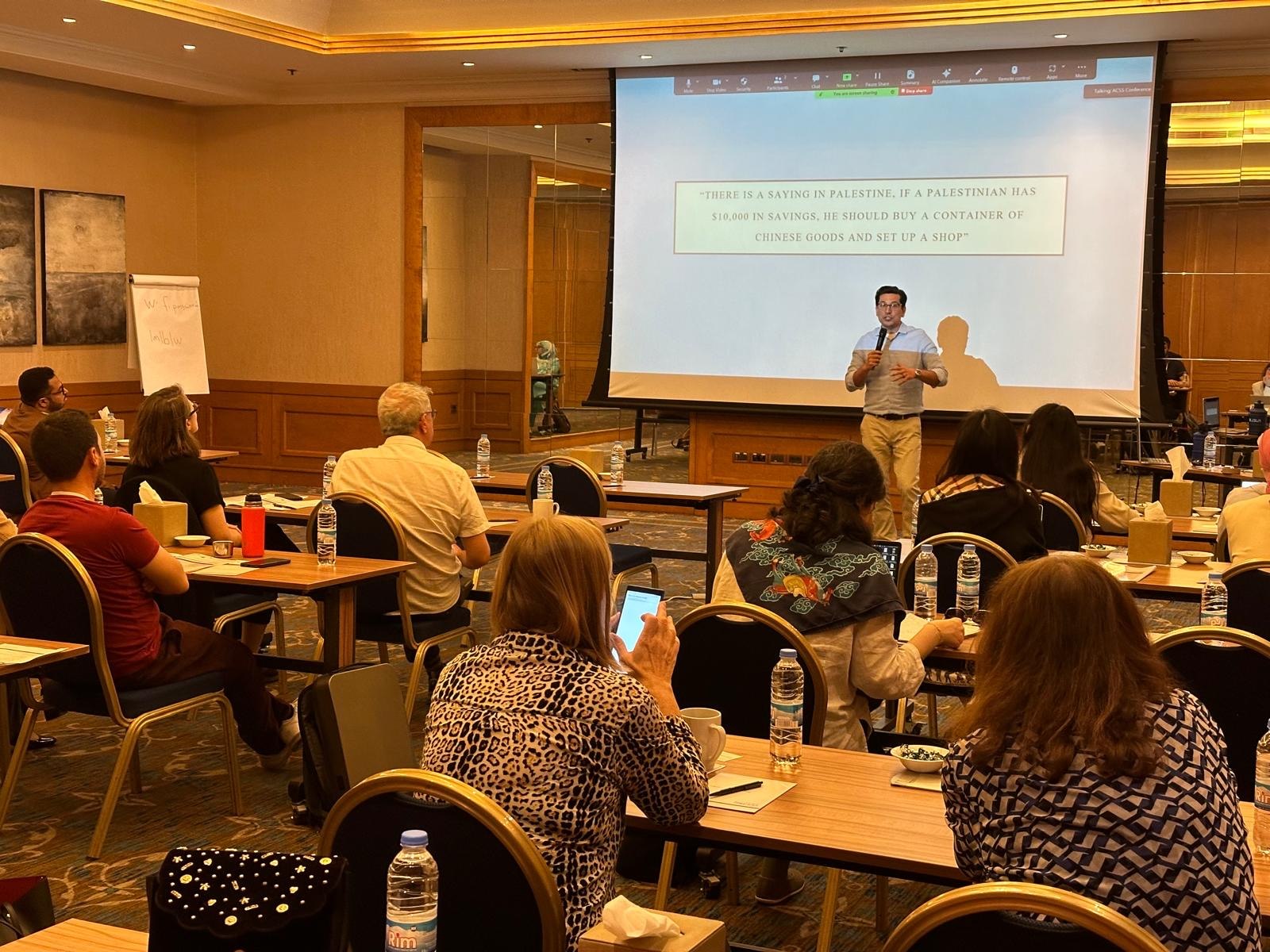
Oliver presenting at an international conference

Participant voices

What participants say

“Rather than lecturing on theory, Oliver facilitates discovery, using powerful, practical tools and live practice to guide us to our own insights. This programme has been one of the most meaningful developmental experiences of my career.”
Department headCoaching for Leadership programme
“I now integrate coaching techniques like the GROW model, active listening, being present and solution-focused questioning into my lectures, fostering dynamic student collaboration and confidence. This programme doesn't just teach coaching — it cultivates a mindset that empowers educators.”
ParticipantIntroduction to Coaching Skills for HE Professionals
“I was expecting the usual lecture-like sessions where you take notes and forget what you learnt later. To my surprise they were very interactive. The atmosphere Oliver created made me more open — he met us all where we were. These sessions met and surpassed my expectations.”
ParticipantPrinciples of Self-Leadership
“I no longer see leadership as a set of techniques, but as a way of being — one that begins with mindset, values, and self-understanding. The transformation was subtle yet profound: it did not happen through instruction alone, but through dialogue, reflection, and skilled facilitation.”
ParticipantPrinciples of Self-Leadership
“I am now more attentive and have learned to 'wait' when talking to others, especially my students. My students are encouraged to explore more ideas before any interruption from me — and I am more capable of building deeper connections with the people around me.”
LecturerIntroduction to Coaching Skills for HE Professionals
“This programme didn't just teach coaching tools — it changed how I relate to myself, to students, and to leadership. Leadership not as a performance, but as a practice of presence and responsibility.”
Programme participantCoaching for Leadership

Institutions and partners

Keele UniversityBeijing Foreign Studies UniversityUniversity of StirlingChengdu UniversityOxford Brookes UniversityChengdu University of TechnologyChengdu University of Traditional Chinese MedicineMapping Connections

Bringing coaching-informed practice into your institution

I work with universities and academic communities to design programmes around the conversations that matter in their particular context. If you are exploring coaching skills, leadership development, supervisor development or a broader coaching-informed approach, get in touch.

Discuss a programme