About
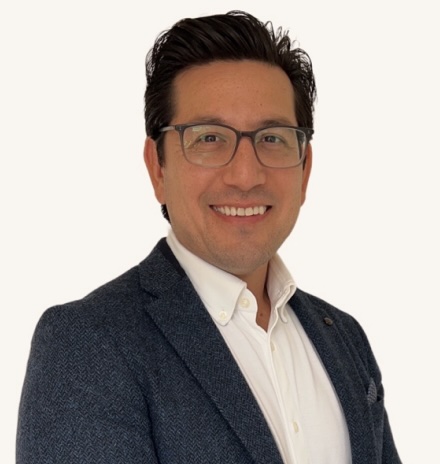
Dr. Oliver Hayakawa
Coach · Coach Educator · Facilitator
My work has taken place across universities, government, international education and coaching — but the questions underneath it have remained surprisingly consistent.
How do people make sense of complexity? What allows us to really hear another person? How do we communicate across difference? What allows difficult conversations to become productive? What helps people take greater ownership of their choices? And what allows insight to become action?
01 · Where it began
A childhood between cultures
Moving between countries and cultures has been part of my life from an early age. I am half Japanese and half British, was born in the United States, and spent parts of my childhood in China and Poland. When you grow up translating between languages, expectations and ways of being, you learn to listen for what is actually being said beneath the words.
That international experience continued into my professional life, with much of my early career based in China — a country I have known since childhood, and whose language, Mandarin Chinese, I speak fluently.
02 · Government and UK–China relations
At the intersection of government, business and culture
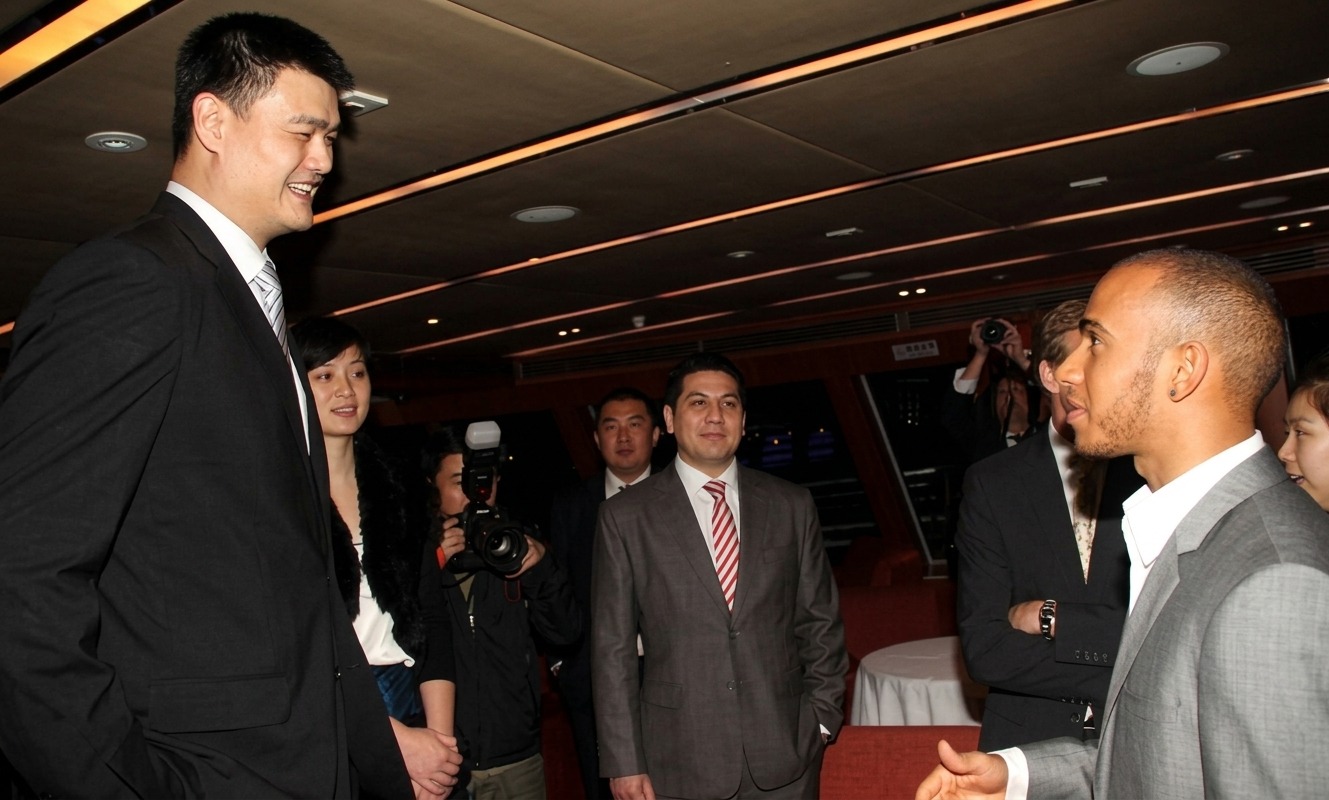
Before academia and coaching, I spent a significant part of my career working at the intersection of government, international business and UK–China relations. As Shanghai Chief Representative of the Liverpool–Shanghai Partnership, I led the organisation’s work in China across government, business, education and culture, and later served as Pavilion Director of the award-winning Liverpool Pavilion at the 2010 Shanghai World Expo.
I subsequently joined the British Consulate in Shanghai as a Trade & Investment Manager, building strategic partnerships across sectors including technology, healthcare and education, and served as a Lead Officer for the UK Government’s High Value Opportunities programme, working on multi-million-pound trade and investment opportunities and collaborative projects between the UK and China.
Those roles placed me repeatedly in environments where relationships, cultural interpretation, competing interests and the quality of communication carried real consequences.
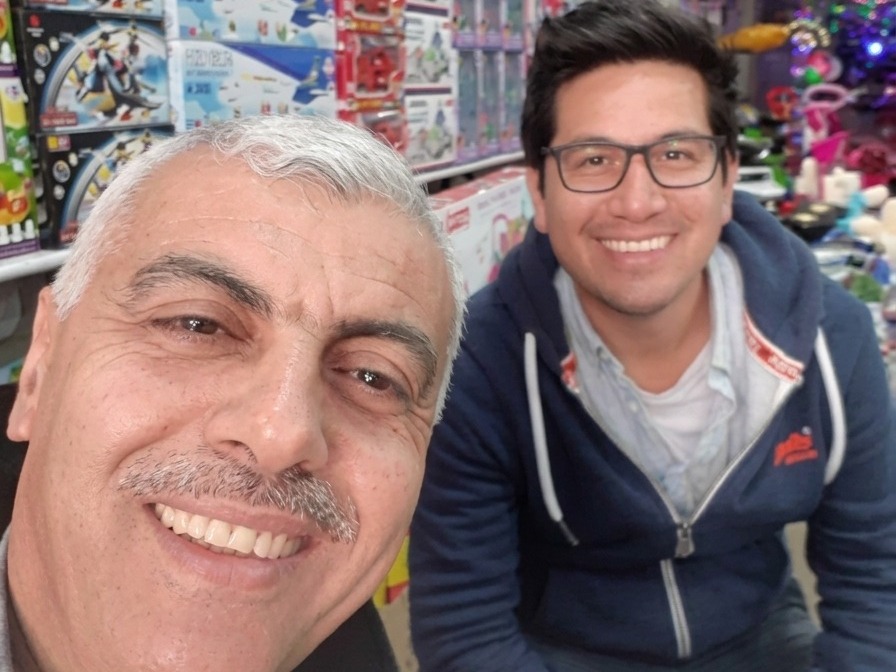
After years of experiencing international relations largely through governments, institutions and diplomacy, a five-month overland journey along the Silk Road in 2015 offered me a very different perspective. Travelling from China, through Central Asia and finally through the Middle East, I encountered countries and communities much more from the ground up — through people, conversations and everyday experience. It deepened my curiosity about the relationship between the large forces we study in politics and the way those forces are actually lived.
That curiosity eventually took me more deeply into research and higher education.
03 · The academic years
Universities, research and the conversations that matter
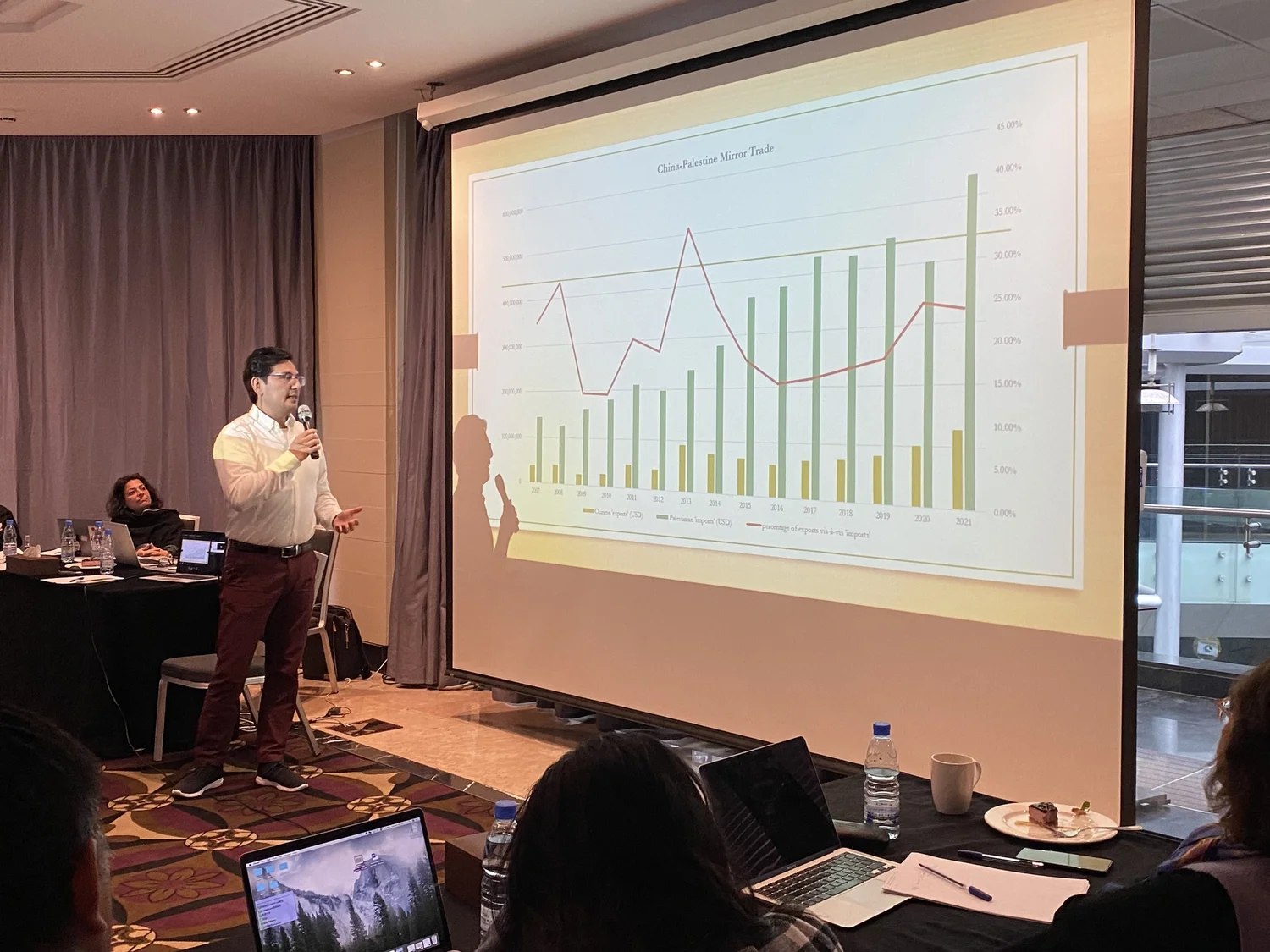
I went on to build an academic career in international relations — university teaching, research and programme leadership within Sino-British and international higher education. My PhD in Middle East Politics focused on the Israel–Palestine conflict and involved extensive periods of on-the-ground fieldwork in Palestine over a number of years.
Working closely with people whose lives, histories and perspectives were shaped by conflict reinforced something that has stayed with me: understanding another person’s world requires more than analysing it from a distance. It requires attention to context and to the competing narratives through which people make sense of their own lives.
I am currently a Lecturer in International Relations, teaching across areas including diplomacy, conflict and security, mediation and development.
Universities taught me something I still carry into every room: the most consequential moments in education rarely happen in lectures. They happen in conversations — between supervisor and researcher, educator and student, leader and colleague. And yet the people holding those conversations are rarely trained for them. That observation eventually became the centre of my work.
04 · Into coaching
From asking questions about the world to asking questions of people
Long before I became a coach, much of my work was already concerned with how people understand one another: across cultures, institutions, political differences and competing interests. Coaching gave me another way of working with many of the same questions — at the level of the individual, the conversation and the choices people make.
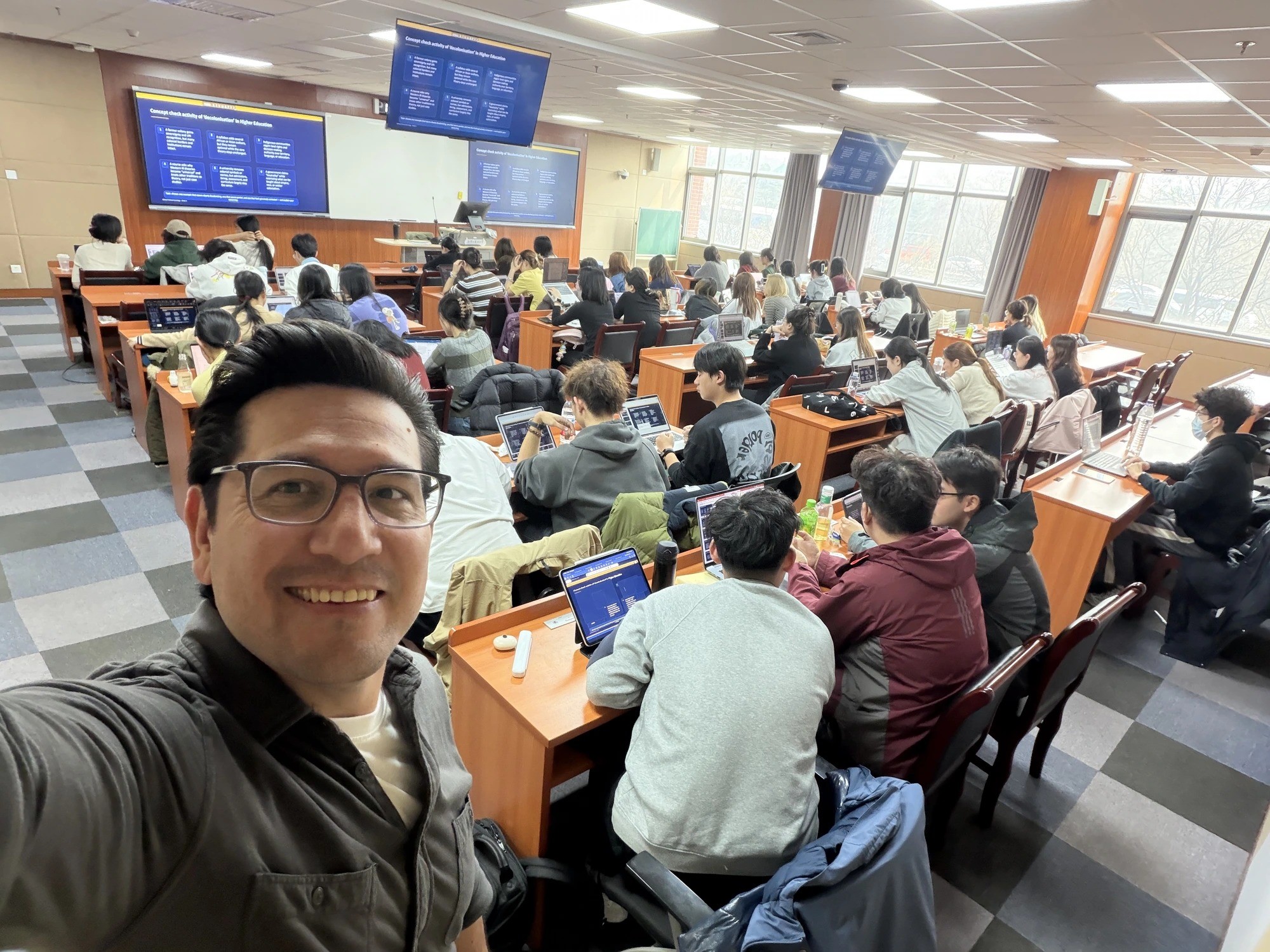
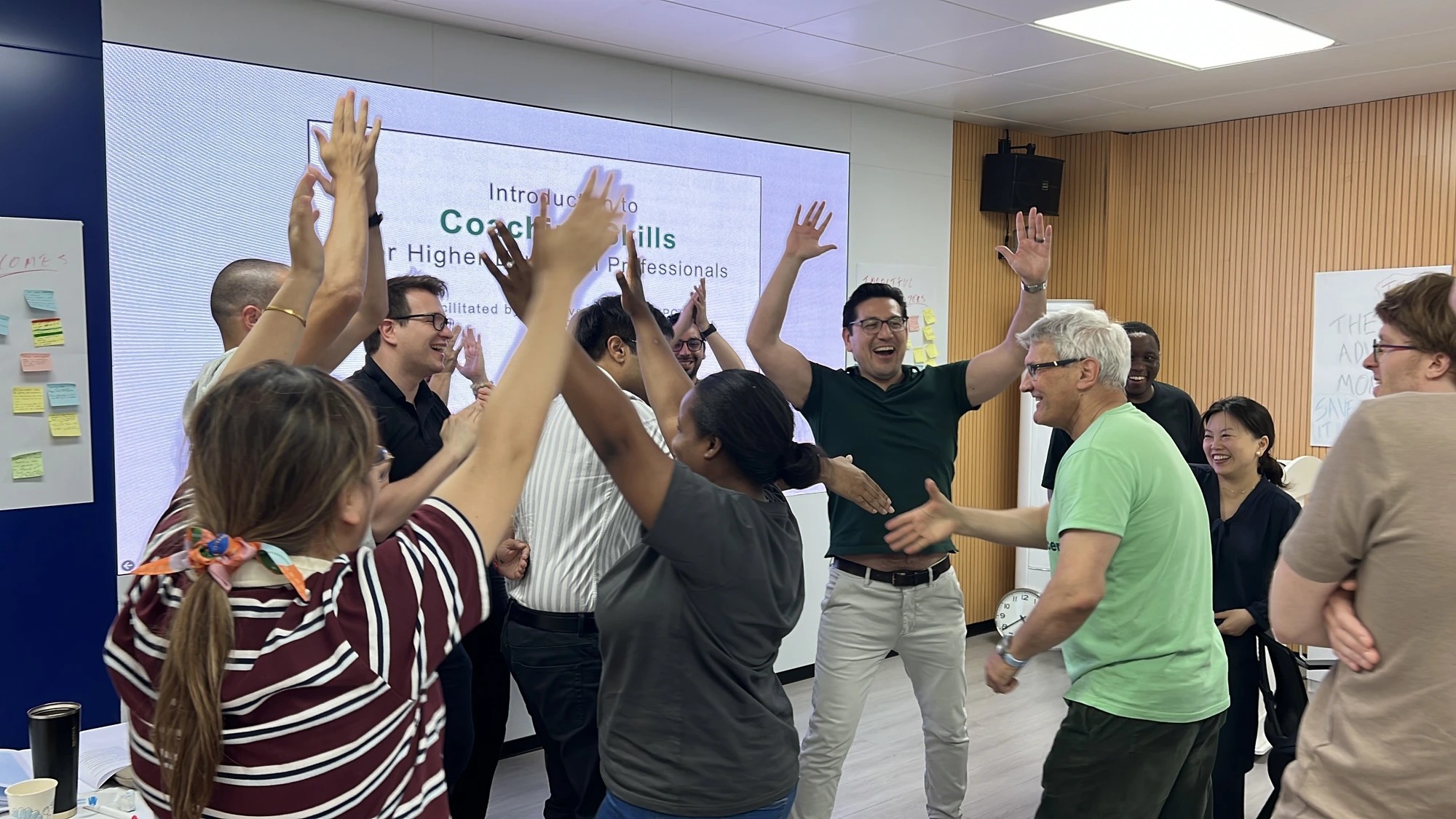
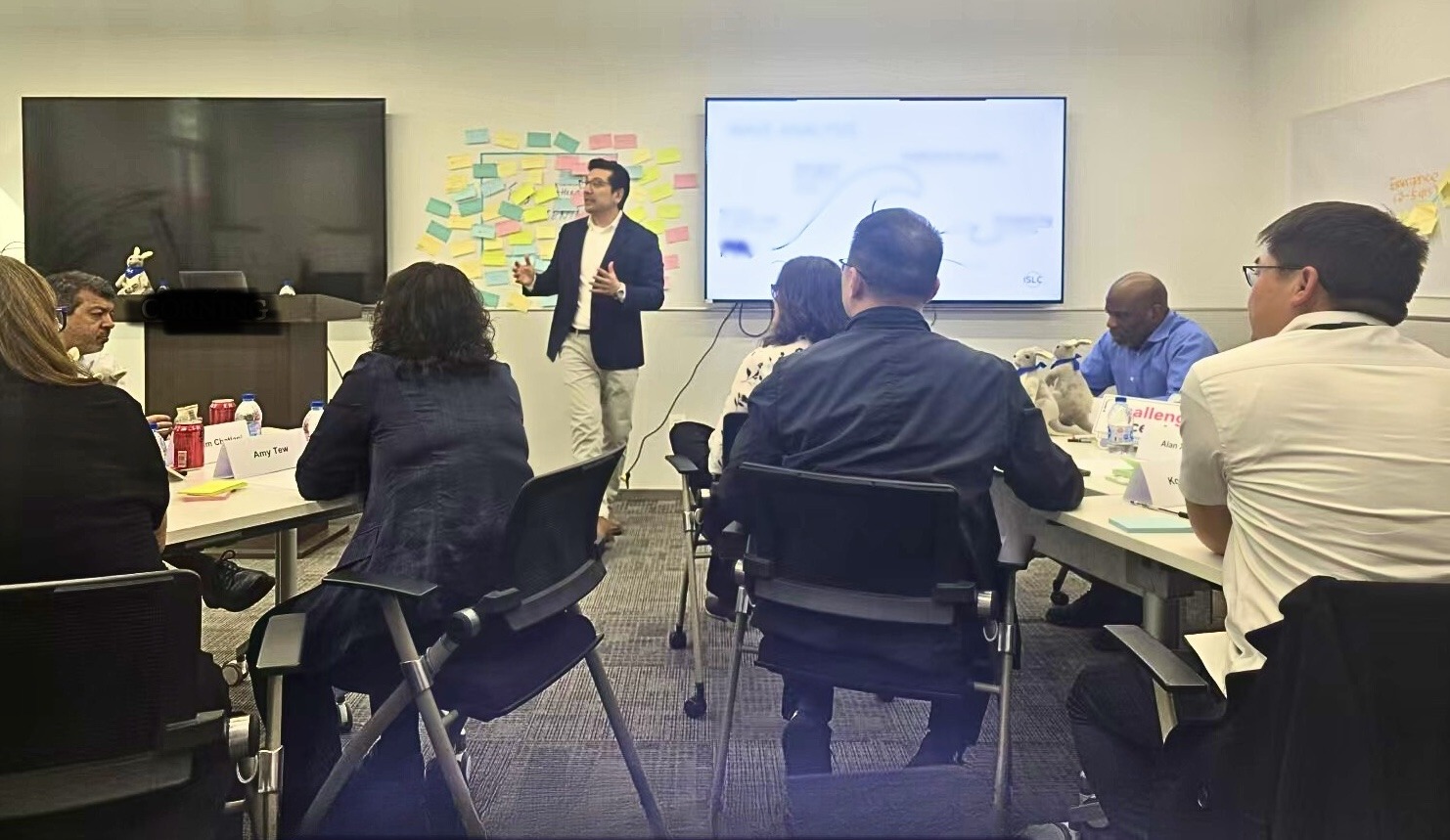
Alongside my academic work I trained professionally as a coach — a Diploma in Transformational Coaching with Animas, and later ICF Professional Certified Coach (PCC) accreditation. Over time my focus shifted increasingly toward coaching education: helping universities, leaders and professionals develop the skills of listening, questioning and creating the conditions in which other people can think.
Today I serve as Head of Coaching Skills across a network of Sino-British universities, designing and delivering programmes in coaching skills, self-leadership and coaching-informed practice. Alongside the higher education work, I coach individuals one-to-one, and I founded The Man in the Mirror — a men’s coaching programme and retreat — and created Cornerstone, a one-to-one coaching and mentorship programme for men.

How I work
What clients and participants tend to notice
I am not primarily interested in giving people answers. More often, the useful work is helping someone see what they haven’t yet been able — or willing — to see clearly.
That requires attention. Sometimes it means slowing a conversation down. Sometimes it means asking a question that has been avoided. Sometimes it means noticing a pattern, testing an assumption or confronting the gap between an intention and an action.
My job is to create the conditions in which the truth can land — and where insight can become a deliberate choice about what happens next.
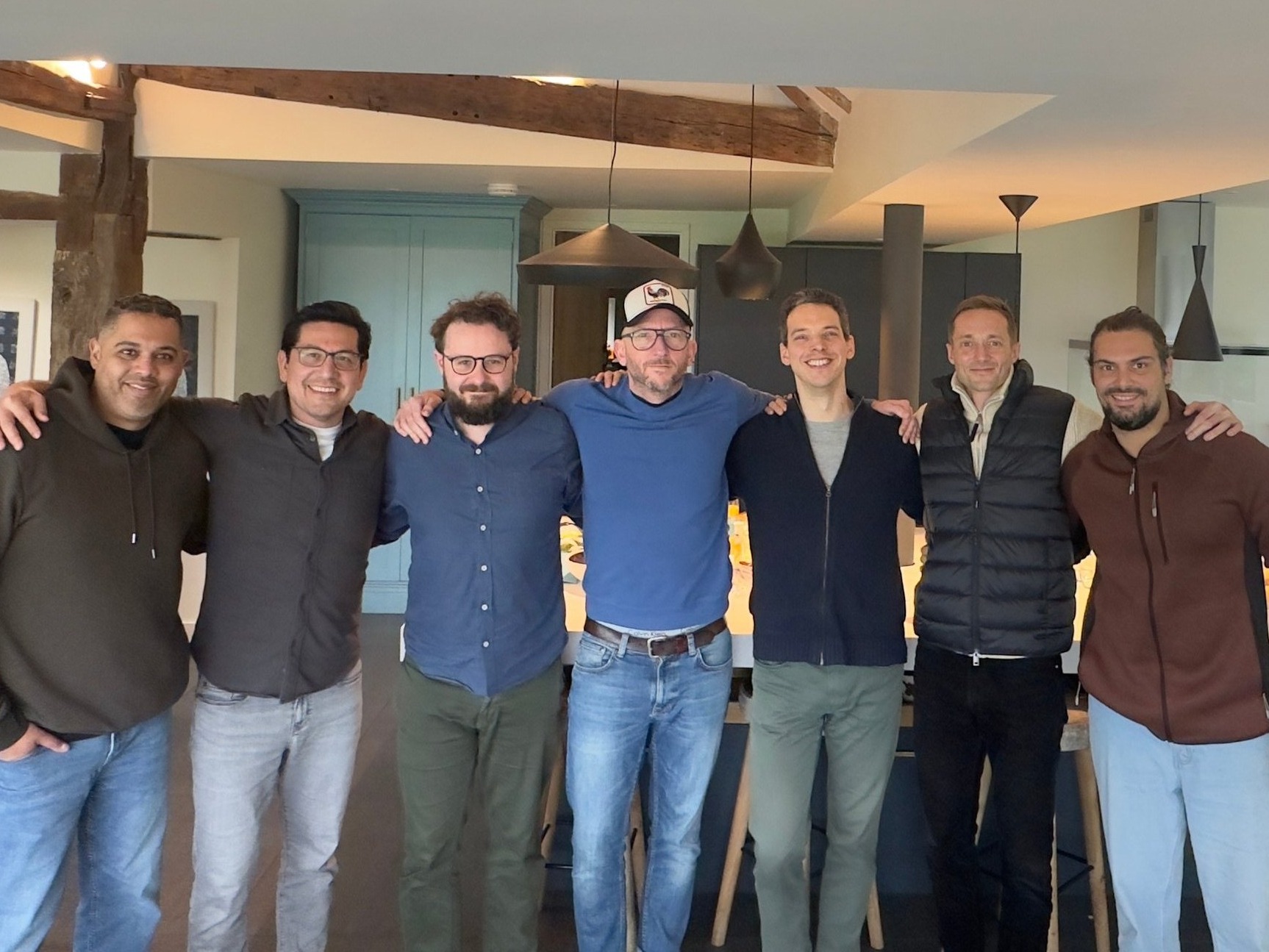
I hold myself to the same standard. I continue to invest in my own development — working with my own coaches, teachers and men’s groups — because I should never ask of a client what I am not willing to do myself.
The thread
Across these different environments, the thread in my work has increasingly become the same: creating conditions in which people can think more clearly, have more honest and useful conversations, take greater ownership and act with greater intention.
Beyond the coaching room
The rest of a life
I serve as a trustee of the Spear Programme in Brighton, which helps disadvantaged young adults find pathways into work or education — work that keeps me close to what coaching can do for people who have rarely been on the receiving end of it.
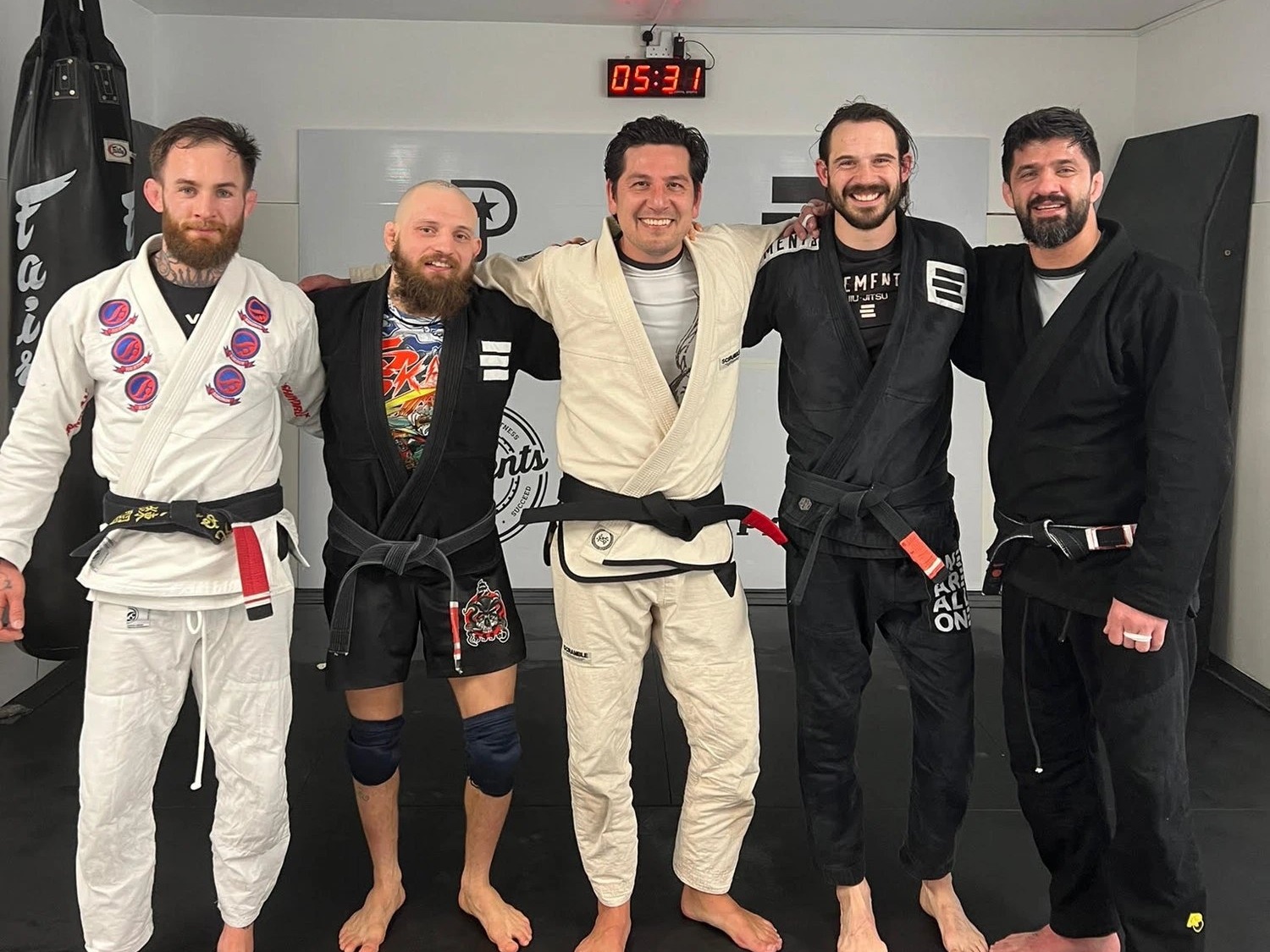
Sport has been a constant throughout my life, from competitive rugby and swimming when I was younger to Brazilian Jiu-Jitsu today, where I hold a black belt. When time in Brighton allows, I enjoy coaching at my local gym. The mats remain one of my most honest classrooms: pressure, humility and feedback arrive whether you are ready or not.
Credentials
Qualifications and accreditation
PhD
Middle East Politics / International Relations · University of Exeter
Higher Education
Academic and educator · Head of Coaching Skills across a network of Sino-British universities
ICF PCC
Professional Certified Coach
Animas
Accredited Transformative Coach · Diploma in Transformational Coaching
Interested in working together?
Whether it is a university programme, a workshop, one-to-one coaching or my work with men, the first step is a conversation.
Get in touch